Future of PEB Industry in India (2026–2027 Growth Report) | PEB Manufacturers in India | Balarka PEB
Introduction
The construction industry in India is undergoing a significant transformation driven by modernization, industrial expansion, and demand for faster execution methods. One of the most important contributors to this transformation is the rising presence of PEB Manufacturers in India, including companies like Balarka PEB.
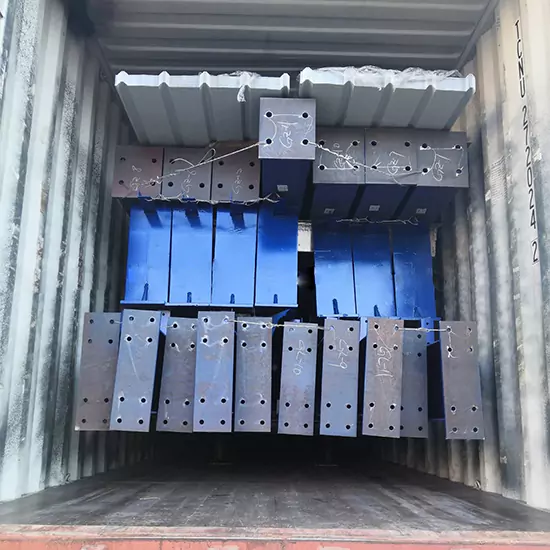
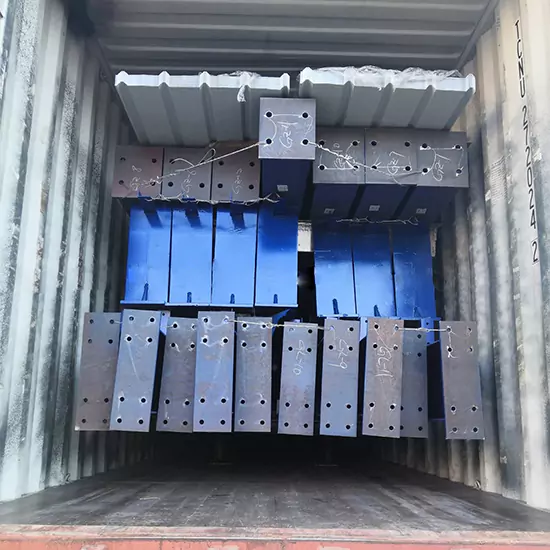
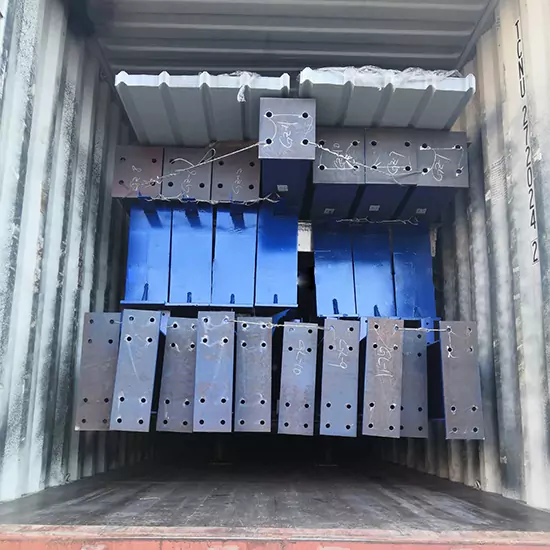
Pre-Engineered Buildings (PEB) have become a preferred solution for industrial and commercial infrastructure due to their speed, durability, flexibility, and cost efficiency. Unlike traditional RCC construction, which is time-consuming and labor-intensive, PEB structures are designed using advanced engineering software, fabricated in controlled factory environments, and assembled directly at the project site.
This process reduces construction time, improves quality consistency, and optimizes overall project cost. As India continues its industrial growth journey toward 2026–2027, the demand for PEB structures is expected to increase significantly across manufacturing, warehousing, logistics, pharmaceuticals, energy, and infrastructure sectors.
The future of the PEB industry in India is not just about construction—it is about transforming how industrial buildings are designed, built, and used for long-term efficiency.
What is the PEB Industry in India?
The PEB (Pre-Engineered Building) industry refers to a modern construction ecosystem where steel structures are pre-designed, pre-fabricated, and assembled on-site. This system replaces traditional brick-and-concrete construction with engineered steel frameworks that are faster and more efficient.
A complete PEB system includes:
Primary steel structure (columns and rafters)
Secondary members (purlins and girts)
Roofing sheets and wall cladding systems
Insulation materials (if required)
Fasteners, bolts, and accessories
Custom architectural elements
The entire structure is designed using software-based engineering calculations to ensure strength, durability, and load-bearing efficiency.
PEB Manufacturers in India are responsible for delivering complete turnkey solutions including design, fabrication, supply, transportation, and installation of these structures.
Companies like Balarka PEB play an important role in providing customized industrial building solutions for different sectors.
Why PEB Structures Are Becoming Popular in India
The rapid growth of PEB structures in India is driven by several practical advantages that make them more efficient than traditional construction methods.
1. Faster Construction Speed
PEB buildings are manufactured in factories while site preparation happens simultaneously. This parallel process reduces total construction time by 40–60%, making it ideal for industries that require quick setup.
2. Cost Efficiency
PEB systems are designed to minimize material wastage and labor dependency. Optimized engineering ensures reduced steel consumption and faster execution, lowering total project cost.
3. High Structural Strength
Steel-based PEB structures offer excellent strength, durability, and resistance to environmental stress, making them suitable for heavy industrial applications.
4. Flexibility in Design
PEB buildings can be customized in terms of height, width, load capacity, and future expansion requirements.
5. Large Column-Free Spaces
Industries like warehousing and logistics require uninterrupted floor space, which PEB structures provide efficiently.
Future of PEB Industry in India (2026–2027 Growth Outlook)
The PEB industry in India is expected to witness strong and consistent growth during 2026–2027. This growth is driven by industrial expansion, infrastructure investment, and increased demand for modern construction methods.
Industry projections suggest that the Indian PEB market will continue to grow at a double-digit CAGR, supported by manufacturing, logistics, and government infrastructure projects.
1. Industrial Expansion Driving Demand
India is rapidly emerging as a global manufacturing hub. Government initiatives such as Make in India and Production Linked Incentive (PLI) schemes are encouraging domestic and international companies to set up manufacturing units in India.
Key industries driving demand include:
Automotive and electric vehicles
Electronics and semiconductor manufacturing
Pharmaceuticals and healthcare
Chemicals and heavy engineering
Textile and garment industries
Each of these sectors requires large industrial buildings such as factories, assembly plants, and storage facilities. This directly increases demand for PEB Manufacturers in India.
2. Warehousing and Logistics Growth
One of the strongest drivers of PEB industry growth is the expansion of warehousing and logistics infrastructure.
E-commerce growth, quick commerce, and organized retail have increased the need for:
Large warehouses
Distribution centers
Cold storage units
Fulfillment centers
PEB structures are ideal because they offer:
Large clear-span areas
Fast construction timelines
Easy scalability
Cost-effective expansion
This makes them the preferred choice for logistics companies.
3. Government Infrastructure Development
Government investment in infrastructure is a key growth factor for the PEB industry. Projects like:
Industrial corridors
Smart cities
Logistics parks
Transport hubs
Export zones
are increasing demand for steel-based construction systems.
PEB buildings are widely used due to their speed of execution and cost efficiency.
4. Shift Toward Faster Construction Methods
Businesses today prefer faster project completion to reduce operational delays and improve productivity.
PEB construction allows parallel manufacturing and site preparation, significantly reducing project timelines compared to traditional RCC construction.
This shift is one of the most important reasons behind the rising demand for PEB Manufacturers in India.
5. Cost Optimization Pressure in Industries
Companies are increasingly focusing on reducing capital expenditure. PEB structures help achieve this by:
Reducing labor requirements
Minimizing material wastage
Shortening project timelines
Lowering maintenance costs
This makes PEB a highly attractive solution for modern industries.
Key Industries Using PEB Structures in India
Manufacturing Industry
Used for factories, production plants, and assembly units requiring large open spaces.
Logistics Industry
Warehouses and distribution centers rely heavily on PEB systems.
Pharmaceutical Industry
Used for controlled environment production and storage facilities.
Food Processing Industry
Cold storage units and processing plants use PEB structures.
Automotive Industry
Large-scale manufacturing plants and workshops depend on steel structures.
Technological Advancements in PEB Industry
The PEB industry is evolving with advanced technology integration:
1. BIM (Building Information Modeling)
Improves design accuracy and project planning.
2. Automation in Fabrication
Ensures precision cutting, welding, and assembly.
3. AI-Based Design Optimization
Reduces steel usage and improves efficiency.
4. Sustainable Construction Practices
Focus on recyclable steel and eco-friendly building solutions.
Challenges in PEB Industry
Despite strong growth, the industry faces certain challenges:
Fluctuating steel prices affecting cost stability
Skilled labor shortage for installation
High competition among manufacturers
Quality differences in unorganized sector
However, organized companies like Balarka PEB are addressing these challenges through better engineering practices and quality control systems.
Future Trends (2026–2027 and Beyond)
The future of the PEB industry will be shaped by:
Increased adoption of modular construction systems
Strong growth in logistics and warehousing sector
Demand for sustainable steel structures
Expansion of smart construction technologies
Rising export opportunities for Indian manufacturers
PEB is expected to become the standard construction method for industrial buildings in India.
Role of PEB Manufacturers in India
PEB Manufacturers in India play a vital role in shaping modern infrastructure. Their responsibilities include:
Structural engineering and design
Steel fabrication and manufacturing
Project execution and installation
Turnkey industrial solutions
Long-term structural support
Companies like Balarka PEB contribute significantly by delivering reliable and cost-effective steel structure solutions across India.
Conclusion
The future of the PEB industry in India (2026–2027) is highly promising and growth-oriented. Driven by industrial expansion, logistics development, and infrastructure modernization, the demand for PEB structures is increasing rapidly.
With advantages such as speed, cost efficiency, durability, and flexibility, PEB systems are becoming the backbone of India’s industrial construction ecosystem.
As the country moves toward becoming a global manufacturing hub, PEB Manufacturers in India like Balarka PEB will play a key role in shaping the future of industrial infrastructure.
FAQs
1. What is PEB in construction?
PEB stands for Pre-Engineered Buildings where steel structures are manufactured in factories and assembled on-site.
2. Why is the PEB industry growing in India?
Due to industrial expansion, warehousing demand, and faster construction requirements.
3. Where are PEB structures used?
They are used in warehouses, factories, logistics hubs, and industrial sheds.
4. Is PEB cheaper than RCC construction?
Yes, PEB is more cost-effective due to faster execution and reduced labor and material waste.
5. What is the future of PEB Manufacturers in India?
The industry will grow strongly in 2026–2027 due to manufacturing and infrastructure expansion.
6. Which company is included in this article?
Balarka PEB (https://balarkapeb.com/) is included as a leading example in the Indian PEB industry.